Reading Scripture Like a Detective
Share this post:
January 23, 2026
Category: Announcements
Scripture is filled with details that are easy to overlook.
A repeated word. A shift in tone. A clause that feels incidental. At first glance, these features may seem minor—but they are rarely accidental. When noticed and examined together, they begin to form a coherent picture of what the text is doing and saying.
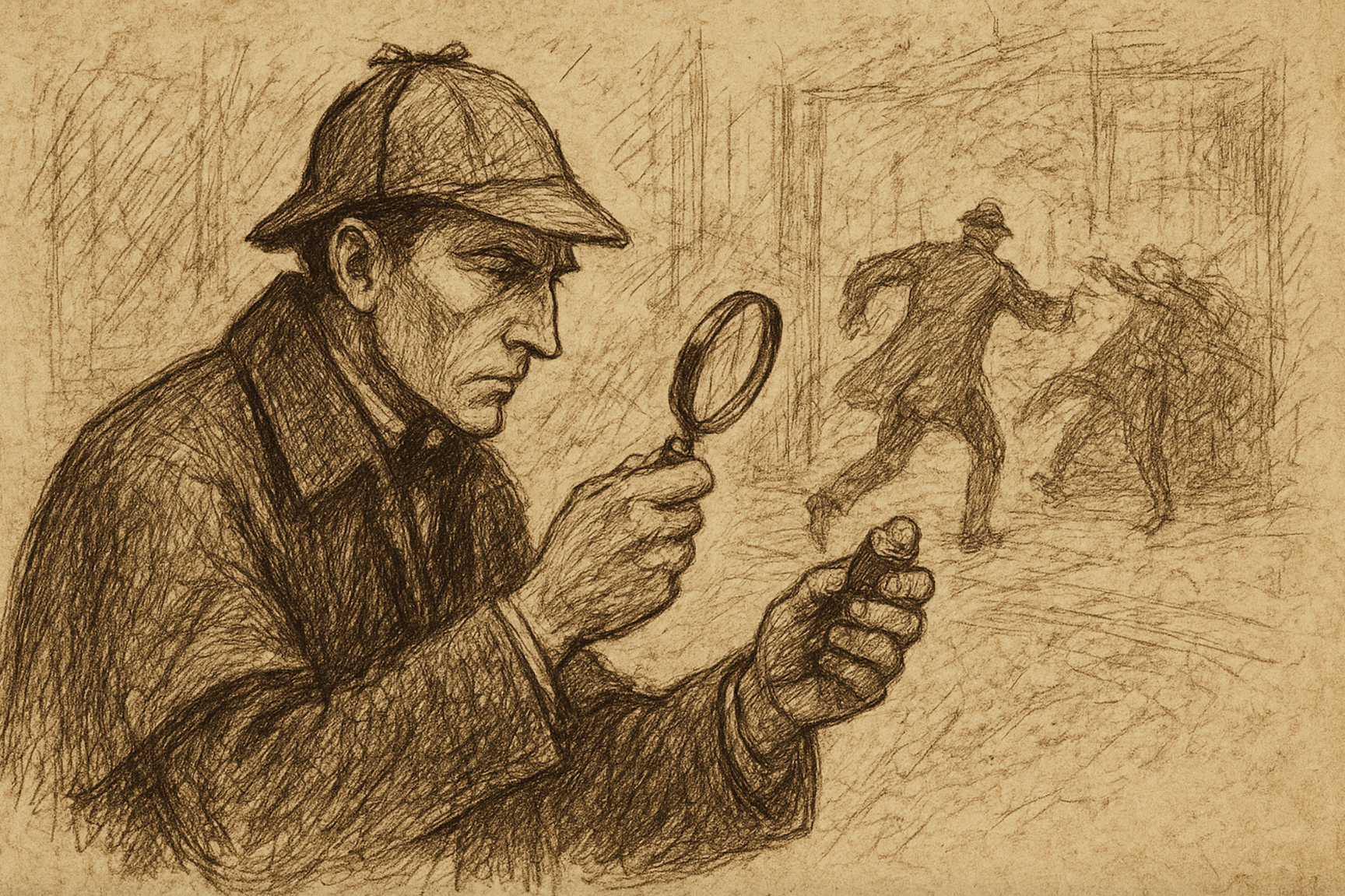
Reading like this requires slowing down—resisting the urge to rush to conclusions and allowing the passage to speak through its structure, connections, and emphasis. Like a detective, the careful reader gathers evidence—observing patterns, weighing relationships, and asking how each part contributes to the whole.
These skills begin to develop intentionally through Bracketing and Arcing. Students learn how details fit together, how structure guides meaning, and how interpretive options can be responsibly tested. What once felt scattered begins to make sense.
If you began Bracketing or Arcing but haven’t completed it, this is a great time to return. The careful work you started still matters. Paraphrase LIVE (beginning March 17) assumes that groundwork is in place—where the details you observed in Bracketing and Arcing are examined together until they communicate one unified message. It’s also where those earlier structural decisions get tested and strengthened, helping you see where your work holds and where adjustments are needed.
So get back at it and be ready for Paraphrase LIVE!