Lesson 6 | Interpretational Stances
Lesson Objectives
In any detective case, the inevitable moment always arrives when the investigator must go on record. At great risk, he must take a stand—what is his interpretation of the facts?

At the end of Agatha Christie's The Murder of Roger Ackroyd, Detective Poirot takes the audacious step of privately confronting his friend, Dr. Sheppard, with the accusation of murder.
Let us recapitulate—now that all is clear. A person who was at the Three Boars earlier that day, a person who knew Ackroyd well enough to know that he had purchased a dictaphone, a person who was of a mechanical turn of mind, who had the opportunity to take the dagger from the silver table before Miss Flora arrived, who had with him a receptacle suitable for hiding the dictaphone—such as a black bag, and who had the study to himself for a few minutes after the crime was discovered while Parker was telephoning for the police. In fact—Dr. Sheppard!
—Agatha Christie, The Murder of Roger Ackroyd (New York: Grosset and Dunlap, 1926), 287–88, eighth printing, May 1927, accessed July 31, 2025. PDF. Emphasis added.
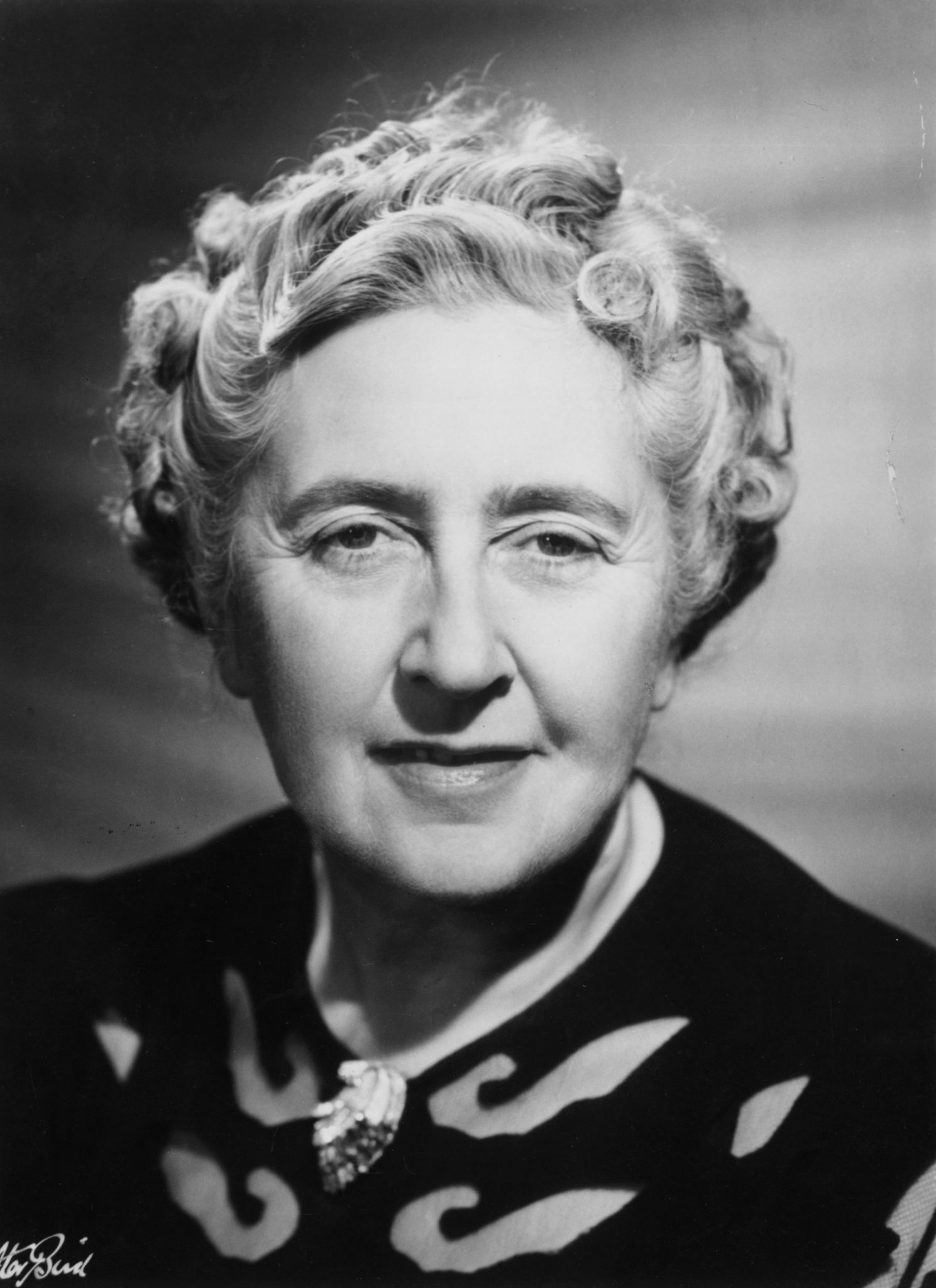
Surely Poirot was leaving himself in a dangerous and vulnerable situation. He had to measure his friendship with Dr. Sheppard against his interpretation of the facts. Dr. Sheppard responded to Poirot’s accusation with an entire chapter of counter arguments and criticism, poking and prodding at the famous detective’s line of thought—but to no avail. Poirot’s interpretational stance was unmovable.
The purpose of Bible paraphrasing is to go on record with your interpretation. Like Detective Poirot, you must take a faith-driven risk and communicate a strong stance on what you believe your passage to be saying. All of the tools you've learned thus far in the course—from capturing tone, to adding context, writing explicit logical connections, and drawing out emotions—all of it has been given to empower you to take an interpretational stance in your paraphrase.
Specific Goals
- Embrace paraphrasing as a method for exploring biblical interpretation.
- Engage in interpretive risk-taking by crafting paraphrases that take a clear stand.
- Ask discerning questions that guide deliberation between interpretations.
- Understand the biblical grounds that permit us to paraphrase Scripture in a Christ-centered way.
- Articulate paraphrases with precision, guarding against the fallacy of equivocation.