Lesson 2 | Expansion
Stumped: Overstating the Case
Up to this point in the lesson, we have instructed you to, “Add more!”, “Expand”, and “Unpack.“ Everything has been geared toward avoiding the danger of understating the case in our paraphrase.
But there is also a danger in overstating the case. It is possible to add content that actually hinders understanding by going beyond the author’s intended meaning.

‘Come now, monsieur, you’re not going to run down the value of details as clues?’
‘By no means. These things are all good in their way. The danger is they may assume undue importance. Most details are insignificant; one or two are vital....’
—Agatha Christie, Poirot Investigates, “The Disappearance of Mr. Davenheim.”
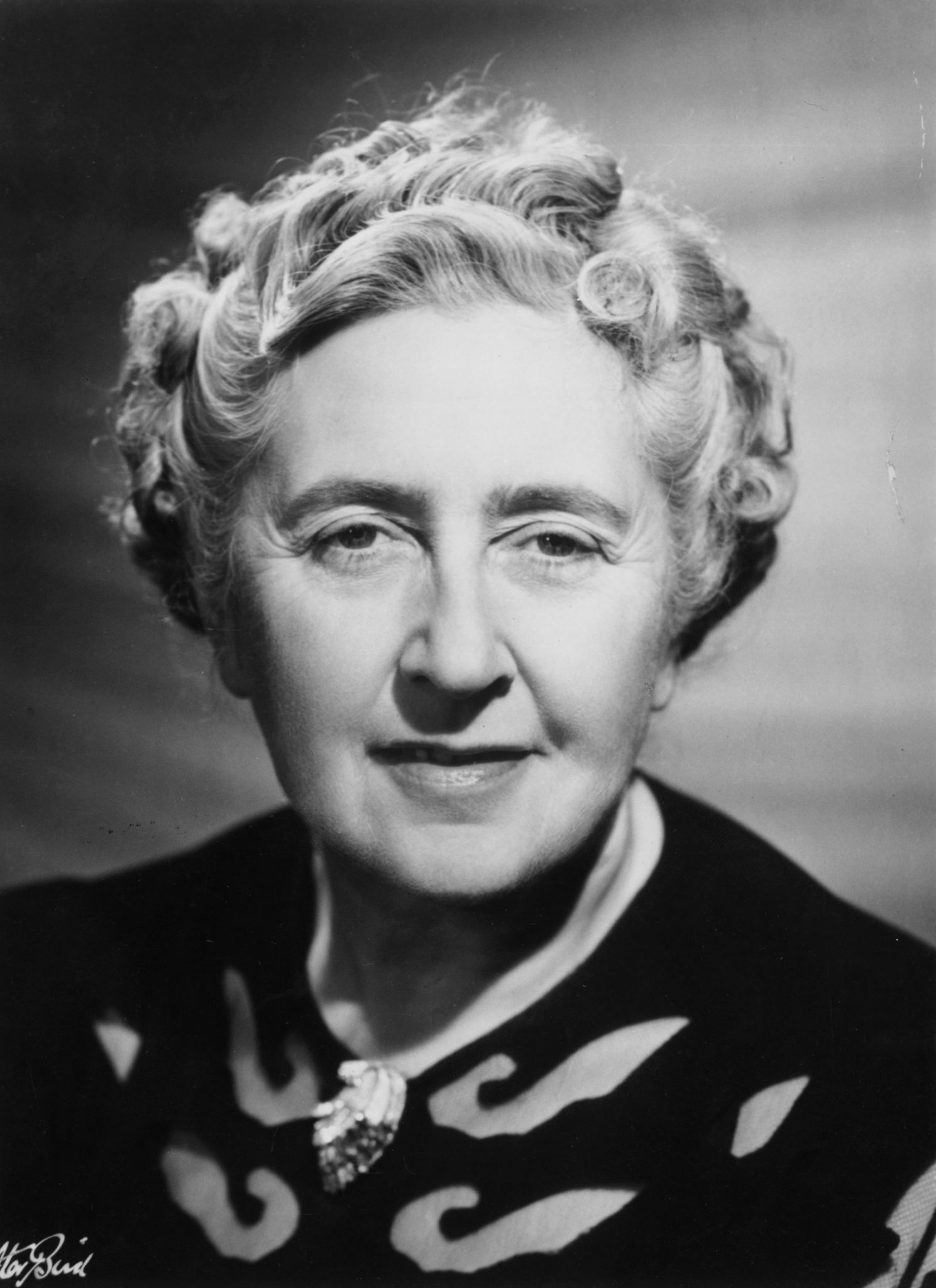
In Agatha Christie's “The Disappearance of Mr. Davenheim,” Davenheim seems to disappear without a trace. Poirot’s friend Hastings, eager to apply his companion’s genius reasoning, jumps to a confident conclusion: the culprit must be a Mr. Lowen, the man Davenheim was supposed to meet before disappearing. Hastings lays out his reasoning:
One: All the evidence points to Lowen having been the man who forced the safe. Two: He had a grudge against Davenheim. Three: He lied in his first statement that he had never left the study.¹
But each of these points unravels under scrutiny. First, the safe had been forced open by someone with professional tools, which Lowen couldn’t have anticipated needing. Second, the supposed grudge actually ran the other direction, with Davenheim being the one with probable cause against Lowen. Finally, though Lowen did lie at first about leaving the study while waiting for Davenheim—a small detail overblown and misinterpreted—it was due to panic, knowing that he was already being implicated as the culprit.
Having dismantled these overstatements, Poirot proceeds to reveal the truth behind the mystery: Mr. Davenheim orchestrated the disappearance himself!
(You’ll have to read the rest if you want to discover how.)
Overstating Your Case While Paraphrasing
Consider the two-edged sword of understatement and overstatement in the video below:
How Do I Know When Not to Expand on a Passage?
As you are writing a paraphrase, you may be overstating the author’s intention when you:
- Obscure the interpretation of the passage.
- Fail to reflect the author's common sense intention.
- Introduce misleading conclusions into the reader’s imagination.
The test of good interpretation is that it makes good sense of what is written. Correct interpretation, therefore, brings relief to the mind as well as a prick or prod to the heart.
Gordon D. Fee and Douglas Stuart, How to Read the Bible for All Its Worth, 4th ed. (Grand Rapids: Zondervan, 2014), chap. 1, sec. 1, para. 5.
Example
A list such as we find in 2 Peter 1:5-7 provides an example of how we might overstate our case.
Peter clearly lays out a set of qualities that reflect genuine godliness, much like Paul does with the fruit of the Spirit in Galatians 5. Peter’s list suggests at least a subtle progression or development in these character qualities from one to another. A question worth asking is whether there is a necessary order presented here. Even if you answer yes to that question, you can still overstate Peter’s case by paraphrasing something like,
Since God has provided all the resources you need to live the Christian life, you must begin your spiritual growth with a focus on developing righteous living. Once that is on its way, you are then to grow in knowledge. Once your knowledge has sufficiently increased, you are then to focus on restraining ungodly impulses…etc.
This goes far beyond Peter’s common-sense intention! Would it really make sense to wait until we have knowledge before exercising self-control? This interpretation would turn Peter's exhortation into a rigid seven-step program for spiritual growth.