Lesson 4 | Grammatical Logic
Lesson Objectives
When no conjunction is present in the text, a grammatical feature may be the clue that signals how the author intends to fill the logical gap.
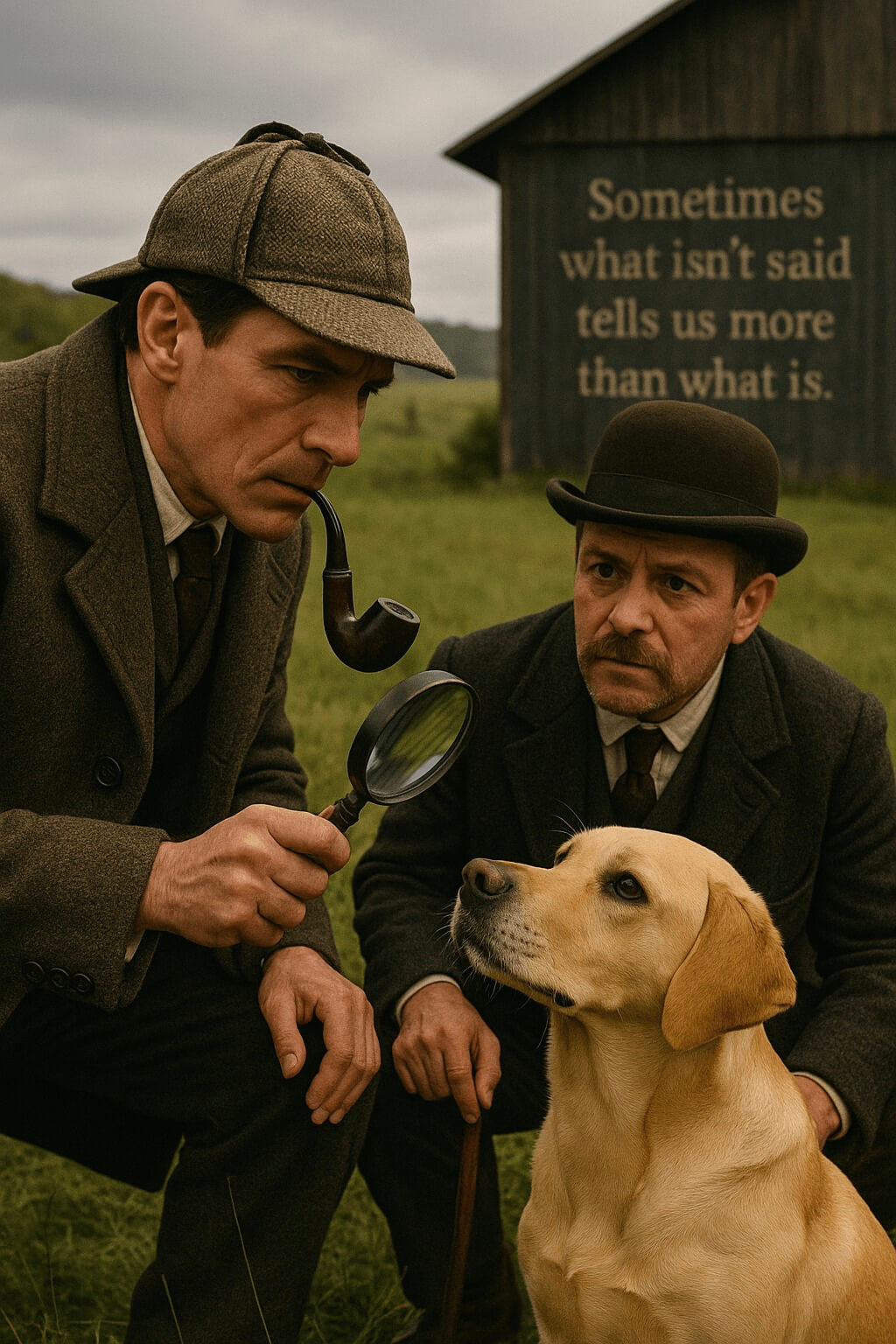
In the Adventure of the Silver Blaze, a prized racing horse mysteriously disappears, and his owner is found in an open field mortally wounded. Despite collecting several clues, the police are baffled. What they overlooked was not something that did happen, but something that didn't. In a conversation with the lead detective, Holmes attempts to tip him off in to this important fact.
“Is there any point to which you would wish to draw my attention?”
“To the curious incident of the dog in the night-time.”
“The dog did nothing in the night-time.”
“That was the curious incident,” remarked Sherlock Holmes.
...
[To Watson, Holmes later explained,] “Before deciding that question, I had grasped the significance of the silence of the dog, for one true inference invariably suggests others. The Simpson incident had shown me that a dog was kept in the stables, and yet, though someone had been in and had fetched out a horse, he had not barked enough to arouse the two lads in the loft. Obviously, the midnight visitor was someone whom the dog knew well…”
—Arthur Conan Doyle, The Memoirs of Sherlock Holmes, “Silver Blaze,” emphasis added.
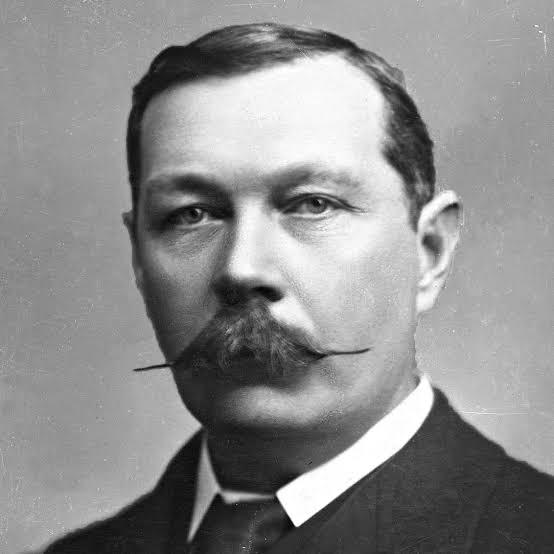
Holmes was able to trace down the race horse and reconstruct the events that led to his escape, all due to an observation concerning what wasn’t present but should have been.
In the same way, a biblical author may leave a conjunction unstated, leaving us to infer subtle clues from the grammar. Grammatical markers such as prepositional phrases, participles, and relative clauses are the logical clues that the paraphraser must draw out and make explicit in his paraphrase.
Specific Goals
- Learn to paraphrase weighty prepositional phrases effectively.
- Explore the various logical roles that participles can play.
- Analyze relative clauses to see deeper logical structure beneath the surface.
- Paraphrase the logic of rhetorical questions.
- Take note of verb tense and voice in a paraphrase.